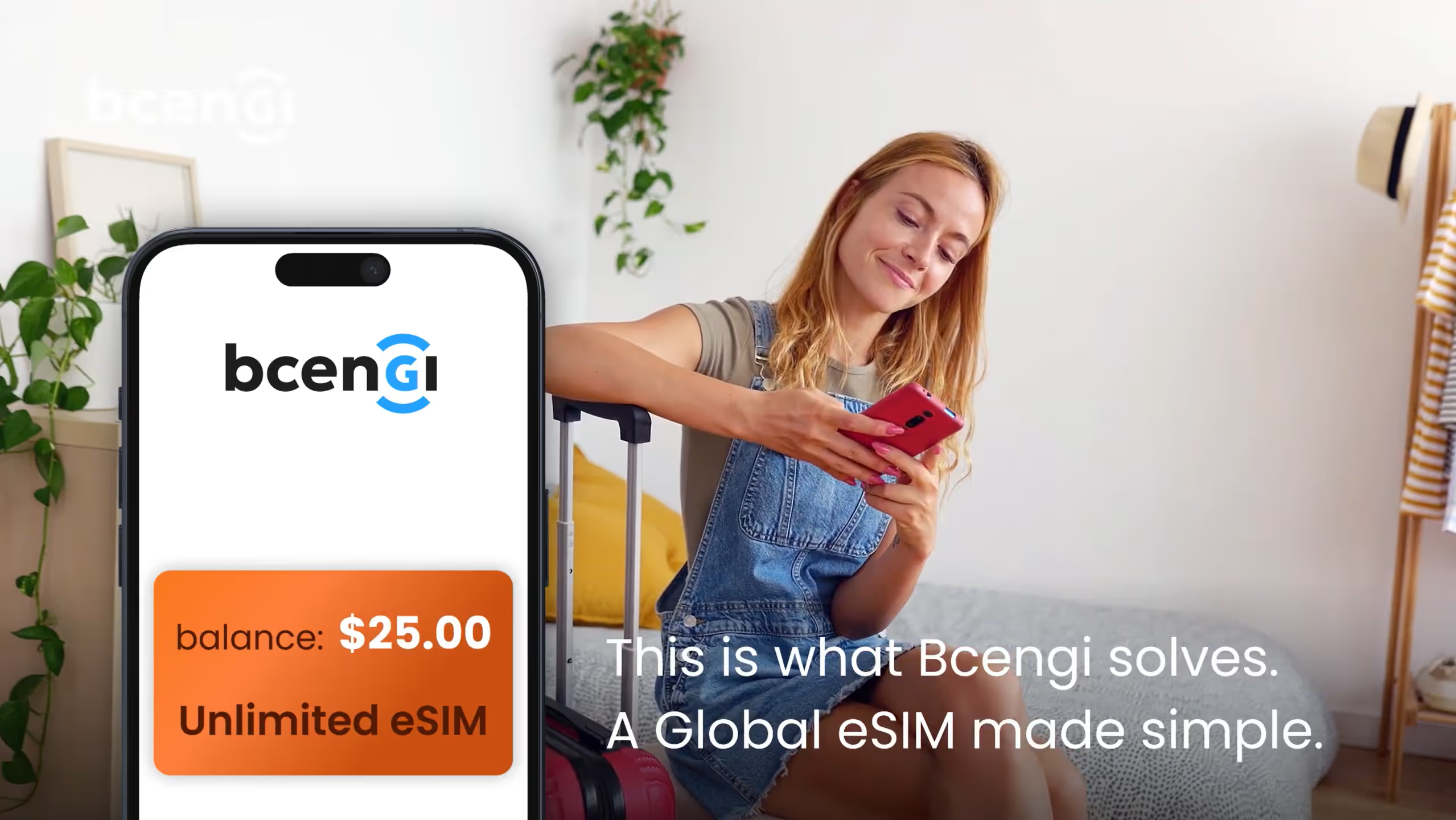

Personal Travel
Personal Travel

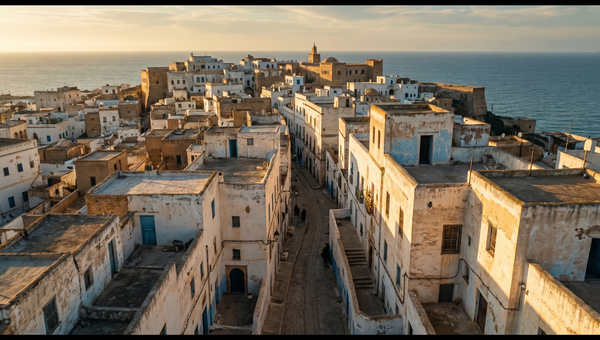

Algeria

Mobilis, Ooredoo Algeria
Pay As You Go
from
$
2.1
/GB
$10
POPULAR
$25
$50
$100
Select your starting balance
Get your eSIM
→

Your payment is fully secured |
Powered by

Rated
4.7


Install once, keep it on your phone.

Pay as you go, for actual use.

No fixed plans, no expiration.

Use balance only when you travel.

One eSIM for all trips, 200+ Countries.
Pay As You Go data, wherever you travel
💵 You add
$25
to your balance.
✈️ In
Algeria
you use
3GB
at
$
2.1
/GB
.
🌍
United Arab Emirates
3 months later -
3GB at $
4.24
/GB.
🔥 Your same balance covers both trips -
one eSIM, no expiry, no wasted data, no new package.
Just $
2.1
per GB. No surprises, No bundles, No expiry.

Light Usage
~200 MB/day
$
0.00
/day
Maps, messaging, browsing

Moderate
~500 MB/day
$
0.00
/day

Heavy
~2 GB/day
$
0.00
/day
Streaming, uploads, video calls
Algiers: As the capital, Algiers boasts the most reliable 4G coverage in the country, especially in central districts like Didouche Mourad and around key landmarks. Signal is generally strong, but can weaken inside older buildings with thick walls, such as those in the historic Kasbah. The Algiers Metro provides cellular service on most station platforms, though you may experience temporary connection drops while moving between stations underground.
Oran: Algeria's second city offers excellent connectivity throughout its vibrant center and along the waterfront Front de Mer. The Oran Tramway, being an above-ground system, allows for consistent mobile signal during your journey. Indoor coverage in modern buildings is typically strong, though some older structures in the Sidi El Houari district may have weaker reception.
Constantine: Known as the "City of Bridges," Constantine has good 4G coverage across its main urban plateaus and business districts. The city's unique topography with deep ravines can occasionally cause signal fluctuations, but service around the famous suspension bridges is generally dependable. The dense, narrow streets of the old city (Souika) may sometimes impede indoor signal strength.
Annaba: This coastal city features strong and consistent 4G network performance in the downtown area and along its popular Corniche. You'll find reliable service for navigation and browsing. Coverage can become less consistent when visiting sites further from the urban core, such as the ruins of Hippo Regius or venturing up into the Seraidi mountains.

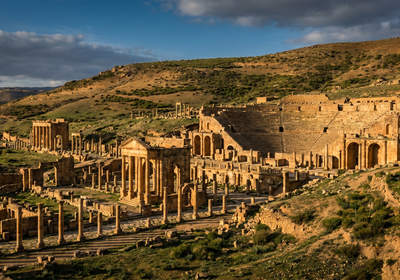
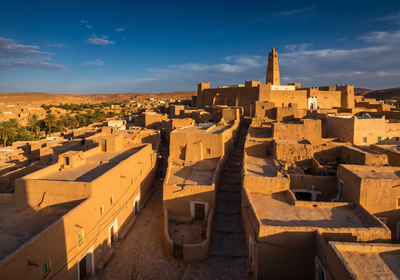
Major Highways (A1 & N1): Mobile coverage is generally strong along Algeria's northern A1 East-West Highway, which links major coastal cities like Algiers, Oran, and Constantine. However, service becomes extremely sparse on the N1 Trans-Sahara Highway. Once south of the Saharan Atlas, expect very long stretches with no signal between oases and towns like Ghardaïa and Tamanrasset.
SNTF Intercity Trains: On the SNTF national rail network, main lines in the populous north connecting Algiers, Oran, and Constantine provide fairly consistent service, with occasional drops in rural valleys or hilly terrain. Trains heading south towards the desert experience significant periods without connectivity outside of station stops.
Atlas Mountains: Traveling through the Tell Atlas and Saharan Atlas mountain ranges frequently leads to signal loss. Winding roads in regions like the Kabylie and the Aurès Mountains have intermittent coverage at best, with dead zones common in deep valleys and on remote passes.
Road Tunnels: Expect to lose mobile service inside most of Algeria's long highway and rail tunnels, such as those along the A1 highway or crossing the Atlas ranges. Most are not equipped with cellular repeaters, and the signal typically returns only upon exiting.
The Sahara Desert: The vast majority of the Algerian Sahara has no mobile network coverage. Service is almost exclusively limited to the immediate vicinity of cities, towns, and larger oases. All travel between these populated points should be considered completely offline.
How it works
Buy eSIM
Sign up and get your Global eSIM in just a few clicks.

Activate eSIM
Scan the QR code and get connected instantly — no physical SIM needed.

Pay as you go
Only pay for what you use. No contracts, no hidden fees.

Get your eSIM
“
I loved the per-country pricing model. I only paid for the countries I visited, and it was way cheaper than other eSIM providers. No hidden fees — just clear and simple.
“
The auto top-up feature is a lifesaver. I never have to check my balance — internet just works. And when I’m not traveling, I don’t pay. It’s fair and super convenient.


Angel Siphron
Rated
4.7


Bcengi offers data at $2.10 per GB when utilizing the Mobilis and Ooredoo Algeria networks. You are billed strictly for the data consumed, without any required bundles or minimum spending commitments.
No, it is not. Bcengi operates concurrently with your current SIM card through its dual-SIM compatibility. You can retain your standard SIM for voice calls and text messaging.
Yes, this is possible if your device has eSIM support (which applies to most handsets released from 2019 onward). You can verify compatibility by visiting bcengi.com/travelpass/esim-compatibility.
Coverage is contingent upon the network infrastructure of Mobilis and Ooredoo Algeria. Generally, robust signal strength is observed in significant cities and popular tourist locales. Conversely, remote regions may experience constrained signal access.
Most visitors consume between 500 MB and 2 GB of data daily. For a week of moderate usage, the approximate cost is $7.35 when using pay-as-you-go rates.
Yes. A single Bcengi eSIM is operational in more than 200 countries. Your existing balance transfers, eliminating the need to purchase a new eSIM for each subsequent destination.
You have the option to add funds at any time by visiting travel.bcengi.com, or you can activate the auto-refill feature to ensure your balance is continuously maintained.
No, your Bcengi balance maintains its validity indefinitely. It remains available for your use, regardless of whether you access it next week or next year.

$
2.1
/GB

Instant delivery

No expiry

24/7 support

Secure checkout

Pay As You Go
from
$
2.1
/GB
$10
POPULAR
$25
$50
$100
Select your starting balance
Get your eSIM
→

Secure Payments |
Powered by

Rated
4.7


💵 You add
$25
to your balance.
✈️ In
Algeria
you use
3GB
at
$
2.1
/GB
.
🌍
United Arab Emirates
3 months later -
3GB at $
4.24
/GB.
🔥 Your same balance covers both trips — one eSIM, no expiry, no wasted data, no new package.
How it works


Install once, keep it on your phone

Use balance only when you travel

Pay as you go, for actual use.

No fixed plans, no expiration

One eSIM for all trips, 200+ Countries.
Learn more
Just $
2.1
per GB.
No surprises, No bundles, No expiry.

Light Usage •
200 MB/day
$
0.00
/day
Maps, messaging, browsing

Moderate •
500 MB/day
$
0.00
/day

Heavy •
2 GB/day
$
0.00
/day
Streaming, uploads, video calls
Algiers: As the capital, Algiers boasts the most reliable 4G coverage in the country, especially in central districts like Didouche Mourad and around key landmarks. Signal is generally strong, but can weaken inside older buildings with thick walls, such as those in the historic Kasbah. The Algiers Metro provides cellular service on most station platforms, though you may experience temporary connection drops while moving between stations underground.
Oran: Algeria's second city offers excellent connectivity throughout its vibrant center and along the waterfront Front de Mer. The Oran Tramway, being an above-ground system, allows for consistent mobile signal during your journey. Indoor coverage in modern buildings is typically strong, though some older structures in the Sidi El Houari district may have weaker reception.
Constantine: Known as the "City of Bridges," Constantine has good 4G coverage across its main urban plateaus and business districts. The city's unique topography with deep ravines can occasionally cause signal fluctuations, but service around the famous suspension bridges is generally dependable. The dense, narrow streets of the old city (Souika) may sometimes impede indoor signal strength.
Annaba: This coastal city features strong and consistent 4G network performance in the downtown area and along its popular Corniche. You'll find reliable service for navigation and browsing. Coverage can become less consistent when visiting sites further from the urban core, such as the ruins of Hippo Regius or venturing up into the Seraidi mountains.
Major Highways (A1 & N1): Mobile coverage is generally strong along Algeria's northern A1 East-West Highway, which links major coastal cities like Algiers, Oran, and Constantine. However, service becomes extremely sparse on the N1 Trans-Sahara Highway. Once south of the Saharan Atlas, expect very long stretches with no signal between oases and towns like Ghardaïa and Tamanrasset.
SNTF Intercity Trains: On the SNTF national rail network, main lines in the populous north connecting Algiers, Oran, and Constantine provide fairly consistent service, with occasional drops in rural valleys or hilly terrain. Trains heading south towards the desert experience significant periods without connectivity outside of station stops.
Atlas Mountains: Traveling through the Tell Atlas and Saharan Atlas mountain ranges frequently leads to signal loss. Winding roads in regions like the Kabylie and the Aurès Mountains have intermittent coverage at best, with dead zones common in deep valleys and on remote passes.
Road Tunnels: Expect to lose mobile service inside most of Algeria's long highway and rail tunnels, such as those along the A1 highway or crossing the Atlas ranges. Most are not equipped with cellular repeaters, and the signal typically returns only upon exiting.
The Sahara Desert: The vast majority of the Algerian Sahara has no mobile network coverage. Service is almost exclusively limited to the immediate vicinity of cities, towns, and larger oases. All travel between these populated points should be considered completely offline.
Learn more about
Algeria
How it works

1. Buy eSIM
Sign up and get your Global eSIM in just a few clicks.

2. Activate eSIM
Scan the QR code and get connected instantly — no physical SIM needed.

3. Pay as you go
Only pay for what you use. No contracts, no hidden fees.
Get your eSIM
Rated
4.7
“
I loved the per-country pricing model. I only paid for the countries I visited, and it was way cheaper than other eSIM providers. No hidden fees — just clear and simple.


Kaylynn Mango


Bcengi offers data at $2.10 per GB when utilizing the Mobilis and Ooredoo Algeria networks. You are billed strictly for the data consumed, without any required bundles or minimum spending commitments.
No, it is not. Bcengi operates concurrently with your current SIM card through its dual-SIM compatibility. You can retain your standard SIM for voice calls and text messaging.
Yes, this is possible if your device has eSIM support (which applies to most handsets released from 2019 onward). You can verify compatibility by visiting bcengi.com/travelpass/esim-compatibility.
Coverage is contingent upon the network infrastructure of Mobilis and Ooredoo Algeria. Generally, robust signal strength is observed in significant cities and popular tourist locales. Conversely, remote regions may experience constrained signal access.
Most visitors consume between 500 MB and 2 GB of data daily. For a week of moderate usage, the approximate cost is $7.35 when using pay-as-you-go rates.
Yes. A single Bcengi eSIM is operational in more than 200 countries. Your existing balance transfers, eliminating the need to purchase a new eSIM for each subsequent destination.
You have the option to add funds at any time by visiting travel.bcengi.com, or you can activate the auto-refill feature to ensure your balance is continuously maintained.
No, your Bcengi balance maintains its validity indefinitely. It remains available for your use, regardless of whether you access it next week or next year.
$
2.1
/GB
Instant delivery

No expiry
24/7 support
Secure checkout

Bcengi TravelPass keeps you connected worldwide with one reusable eSIM - no expirations, no wasted data.


Settings
English

USD


Bcengi TravelPass keeps you connected worldwide with one reusable eSIM - no expirations, no wasted data.



Secure Payments | Powered by