
Personal Travel
Personal Travel



Argentina

CLARO ARGENTINA
Pay As You Go
from
$
4.86
/GB
$10
POPULAR
$25
$50
$100
Select your starting balance
Get your eSIM
→

Your payment is fully secured |
Powered by

Rated
4.7


Install once, keep it on your phone.

Pay as you go, for actual use.

No fixed plans, no expiration.

Use balance only when you travel.

One eSIM for all trips, 200+ Countries.
Pay As You Go data, wherever you travel
💵 You add
$25
to your balance.
✈️ In
Argentina
you use
3GB
at
$
4.86
/GB
.
🌍
Peru
3 months later -
3GB at $
4.86
/GB.
🔥 Your same balance covers both trips -
one eSIM, no expiry, no wasted data, no new package.
Just $
4.86
per GB. No surprises, No bundles, No expiry.

Light Usage
~200 MB/day
$
0.00
/day
Maps, messaging, browsing

Moderate
~500 MB/day
$
0.00
/day

Heavy
~2 GB/day
$
0.00
/day
Streaming, uploads, video calls
Buenos Aires: Major providers offer robust 4G and LTE coverage across the capital's metropolitan area, including popular neighborhoods like Palermo, Recoleta, and San Telmo. 5G is expanding but not yet universal. The Subte (subway) system has good signal on most platforms, but connections can be intermittent while trains are moving through deeper tunnels. Indoor coverage in older buildings with thick walls can sometimes be less reliable.
Córdoba: Argentina's second-largest city boasts solid 4G coverage throughout its urban core and student-filled districts like Nueva Córdoba. Signal remains consistent in the historic center and popular Güemes neighborhood. Coverage can become less predictable as you travel into the nearby Sierras Chicas mountain range, so it is best to download maps beforehand.
Rosario: You will find dependable 4G and LTE connectivity throughout the city center and along the popular Paraná River waterfront. Signal strength is generally high in key areas like the National Flag Memorial and the Oroño Boulevard. Indoor reception in some of the dense central apartment blocks may occasionally be weaker, but overall performance is strong.
Mendoza: The city of Mendoza itself has reliable 4G coverage, perfect for navigating the downtown area. As you venture out to the surrounding wine regions like Luján de Cuyo or the Uco Valley, service can become intermittent. Most major wineries (bodegas) have good signal and Wi-Fi, but you may lose connection while traveling between them in more rural areas.
San Carlos de Bariloche: The main town center enjoys good 4G service, particularly around the Centro Cívico and the Nahuel Huapi Lake shoreline. However, as soon as you venture onto hiking trails in the surrounding Nahuel Huapi National Park or drive scenic routes, cell signal can become patchy or disappear completely. Plan for offline access when heading into the mountains.


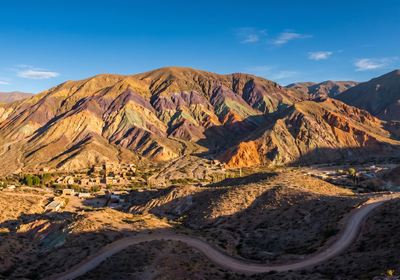
National Routes: Coverage is generally strong along the high-traffic corridors like RN 9 (Buenos Aires-Rosario-Córdoba) and RN 7 (to Mendoza). However, expect frequent and prolonged signal loss on RN 3 through Patagonia and the iconic RN 40, which runs parallel to the Andes, where service is often only available in towns.
Trenes Argentinos (Long Distance): On major train routes from Buenos Aires to cities like Mar del Plata, Rosario, and Córdoba, connectivity is mostly stable. The signal can become intermittent or drop entirely when the train passes through vast rural and agricultural zones between urban centers.
Andean Mountain Passes: Mobile service is non-existent when crossing high-altitude Andean passes. The main crossing to Chile, Paso Internacional Los Libertadores on RN 7, loses all signal on the steep mountain approaches and inside the Cristo Redentor international tunnel.
Major Tunnels and River Crossings: Expect to lose your connection inside long tunnels, such as the Túnel Subfluvial connecting Santa Fe and Paraná. Signal can also be unstable on large bridge systems like the Zárate-Brazo Largo Complex crossing the Paraná River delta.
Patagonia and Puna Regions: Be prepared for vast areas with no mobile service in remote regions. Large stretches of central Patagonia, particularly in the provinces of Chubut and Santa Cruz, and the high-altitude Puna de Atacama desert in the northwest have coverage only in and around populated towns.
How it works
Buy eSIM
Sign up and get your Global eSIM in just a few clicks.

Activate eSIM
Scan the QR code and get connected instantly — no physical SIM needed.

Pay as you go
Only pay for what you use. No contracts, no hidden fees.

Get your eSIM
“
I loved the per-country pricing model. I only paid for the countries I visited, and it was way cheaper than other eSIM providers. No hidden fees — just clear and simple.
“
The auto top-up feature is a lifesaver. I never have to check my balance — internet just works. And when I’m not traveling, I don’t pay. It’s fair and super convenient.


Angel Siphron
Rated
4.7


Bcengi bills $4.86 per GB when connected to CLARO ARGENTINA networks. You are charged only for the data you consume, with no bundles or minimum expenditure required.
No. Bcengi functions concurrently with your existing SIM card, thanks to dual-SIM technology. You can keep your primary SIM active for making calls and sending texts.
Yes, provided your device supports eSIM functionality (which includes most phones manufactured from 2019 onward). Verify compatibility at bcengi.com/travelpass/esim-compatibility.
Coverage is reliant on the CLARO ARGENTINA network infrastructure. Major urban centers and popular tourist spots generally offer strong service. Signal availability may be limited in less accessible regions.
Most travelers typically consume between 500 MB and 2 GB of data daily. A moderate week of usage would incur an approximate cost of $17.01 under pay-as-you-go rates.
Absolutely. A single Bcengi eSIM can be utilized in over 200 countries. Your account balance transfers, so there's no need to acquire a new eSIM for each new destination.
You can top up your balance at any time by visiting travel.bcengi.com, or activate the auto-refill feature to ensure your balance never depletes.
No. Your Bcengi balance remains valid indefinitely and does not expire, regardless of whether you use it next week or next year.

$
4.86
/GB

Instant delivery

No expiry

24/7 support

Secure checkout

Pay As You Go
from
$
4.86
/GB
$10
POPULAR
$25
$50
$100
Select your starting balance
Get your eSIM
→

Secure Payments |
Powered by

Rated
4.7


💵 You add
$25
to your balance.
✈️ In
Argentina
you use
3GB
at
$
4.86
/GB
.
🌍
Peru
3 months later -
3GB at $
4.86
/GB.
🔥 Your same balance covers both trips — one eSIM, no expiry, no wasted data, no new package.
How it works


Install once, keep it on your phone

Use balance only when you travel

Pay as you go, for actual use.

No fixed plans, no expiration

One eSIM for all trips, 200+ Countries.
Learn more
Just $
4.86
per GB.
No surprises, No bundles, No expiry.

Light Usage •
200 MB/day
$
0.00
/day
Maps, messaging, browsing

Moderate •
500 MB/day
$
0.00
/day

Heavy •
2 GB/day
$
0.00
/day
Streaming, uploads, video calls
Buenos Aires: Major providers offer robust 4G and LTE coverage across the capital's metropolitan area, including popular neighborhoods like Palermo, Recoleta, and San Telmo. 5G is expanding but not yet universal. The Subte (subway) system has good signal on most platforms, but connections can be intermittent while trains are moving through deeper tunnels. Indoor coverage in older buildings with thick walls can sometimes be less reliable.
Córdoba: Argentina's second-largest city boasts solid 4G coverage throughout its urban core and student-filled districts like Nueva Córdoba. Signal remains consistent in the historic center and popular Güemes neighborhood. Coverage can become less predictable as you travel into the nearby Sierras Chicas mountain range, so it is best to download maps beforehand.
Rosario: You will find dependable 4G and LTE connectivity throughout the city center and along the popular Paraná River waterfront. Signal strength is generally high in key areas like the National Flag Memorial and the Oroño Boulevard. Indoor reception in some of the dense central apartment blocks may occasionally be weaker, but overall performance is strong.
Mendoza: The city of Mendoza itself has reliable 4G coverage, perfect for navigating the downtown area. As you venture out to the surrounding wine regions like Luján de Cuyo or the Uco Valley, service can become intermittent. Most major wineries (bodegas) have good signal and Wi-Fi, but you may lose connection while traveling between them in more rural areas.
San Carlos de Bariloche: The main town center enjoys good 4G service, particularly around the Centro Cívico and the Nahuel Huapi Lake shoreline. However, as soon as you venture onto hiking trails in the surrounding Nahuel Huapi National Park or drive scenic routes, cell signal can become patchy or disappear completely. Plan for offline access when heading into the mountains.
National Routes: Coverage is generally strong along the high-traffic corridors like RN 9 (Buenos Aires-Rosario-Córdoba) and RN 7 (to Mendoza). However, expect frequent and prolonged signal loss on RN 3 through Patagonia and the iconic RN 40, which runs parallel to the Andes, where service is often only available in towns.
Trenes Argentinos (Long Distance): On major train routes from Buenos Aires to cities like Mar del Plata, Rosario, and Córdoba, connectivity is mostly stable. The signal can become intermittent or drop entirely when the train passes through vast rural and agricultural zones between urban centers.
Andean Mountain Passes: Mobile service is non-existent when crossing high-altitude Andean passes. The main crossing to Chile, Paso Internacional Los Libertadores on RN 7, loses all signal on the steep mountain approaches and inside the Cristo Redentor international tunnel.
Major Tunnels and River Crossings: Expect to lose your connection inside long tunnels, such as the Túnel Subfluvial connecting Santa Fe and Paraná. Signal can also be unstable on large bridge systems like the Zárate-Brazo Largo Complex crossing the Paraná River delta.
Patagonia and Puna Regions: Be prepared for vast areas with no mobile service in remote regions. Large stretches of central Patagonia, particularly in the provinces of Chubut and Santa Cruz, and the high-altitude Puna de Atacama desert in the northwest have coverage only in and around populated towns.
Learn more about
Argentina
How it works

1. Buy eSIM
Sign up and get your Global eSIM in just a few clicks.

2. Activate eSIM
Scan the QR code and get connected instantly — no physical SIM needed.

3. Pay as you go
Only pay for what you use. No contracts, no hidden fees.
Get your eSIM
Rated
4.7
“
I loved the per-country pricing model. I only paid for the countries I visited, and it was way cheaper than other eSIM providers. No hidden fees — just clear and simple.


Kaylynn Mango


Bcengi bills $4.86 per GB when connected to CLARO ARGENTINA networks. You are charged only for the data you consume, with no bundles or minimum expenditure required.
No. Bcengi functions concurrently with your existing SIM card, thanks to dual-SIM technology. You can keep your primary SIM active for making calls and sending texts.
Yes, provided your device supports eSIM functionality (which includes most phones manufactured from 2019 onward). Verify compatibility at bcengi.com/travelpass/esim-compatibility.
Coverage is reliant on the CLARO ARGENTINA network infrastructure. Major urban centers and popular tourist spots generally offer strong service. Signal availability may be limited in less accessible regions.
Most travelers typically consume between 500 MB and 2 GB of data daily. A moderate week of usage would incur an approximate cost of $17.01 under pay-as-you-go rates.
Absolutely. A single Bcengi eSIM can be utilized in over 200 countries. Your account balance transfers, so there's no need to acquire a new eSIM for each new destination.
You can top up your balance at any time by visiting travel.bcengi.com, or activate the auto-refill feature to ensure your balance never depletes.
No. Your Bcengi balance remains valid indefinitely and does not expire, regardless of whether you use it next week or next year.
$
4.86
/GB
Instant delivery

No expiry
24/7 support
Secure checkout

Bcengi TravelPass keeps you connected worldwide with one reusable eSIM - no expirations, no wasted data.


Settings
English

USD


Bcengi TravelPass keeps you connected worldwide with one reusable eSIM - no expirations, no wasted data.



Secure Payments | Powered by