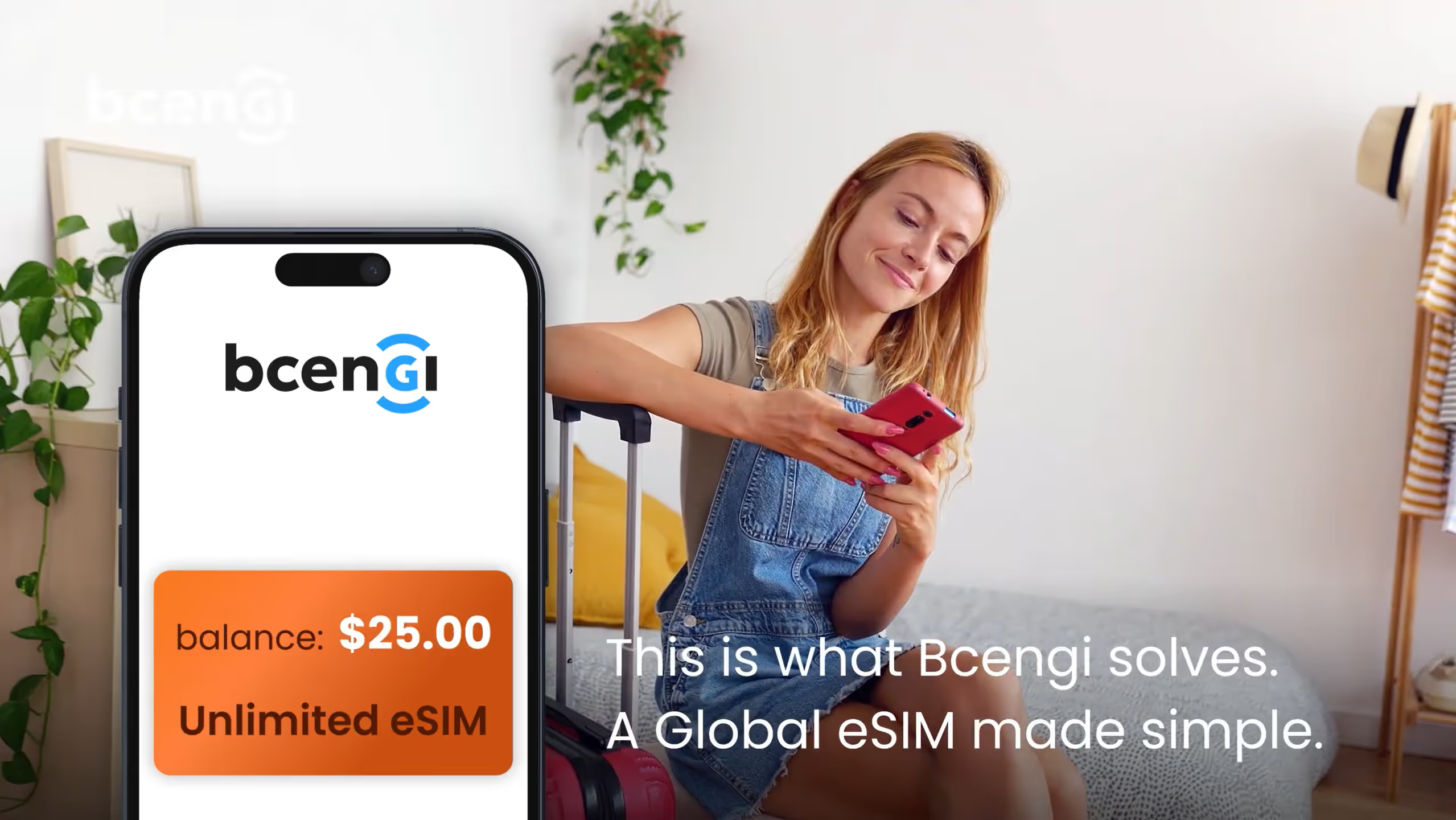

Personal Travel
Personal Travel

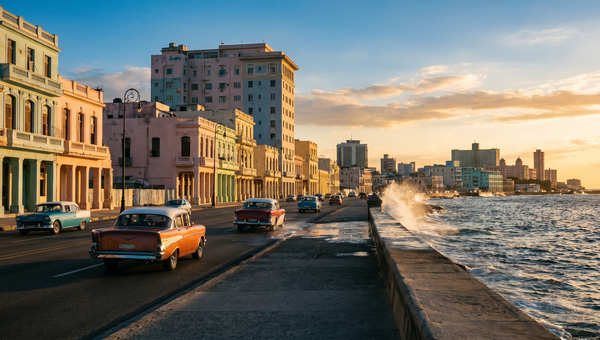

Cuba

ETECSA
Pay As You Go
from
$
35
/GB
$10
POPULAR
$25
$50
$100
Select your starting balance
Get your eSIM
→

Your payment is fully secured |
Powered by

Rated
4.7


Install once, keep it on your phone.

Pay as you go, for actual use.

No fixed plans, no expiration.

Use balance only when you travel.

One eSIM for all trips, 200+ Countries.
Pay As You Go data, wherever you travel
💵 You add
$25
to your balance.
✈️ In
Cuba
you use
3GB
at
$
35
/GB
.
🌍
Colombia
3 months later -
3GB at $
4.44
/GB.
🔥 Your same balance covers both trips -
one eSIM, no expiry, no wasted data, no new package.
Just $
35
per GB. No surprises, No bundles, No expiry.

Light Usage
~200 MB/day
$
0.00
/day
Maps, messaging, browsing

Moderate
~500 MB/day
$
0.00
/day

Heavy
~2 GB/day
$
0.00
/day
Streaming, uploads, video calls
Havana: As the capital, Havana offers the most reliable 4G/LTE coverage in the country, particularly in tourist-heavy districts like Old Havana (Habana Vieja), Vedado, and Miramar. Major hotels and parks generally have a strong signal. However, indoor coverage can be weaker inside older colonial buildings with thick walls, and the signal may drop to 3G in less central residential neighborhoods.
Varadero: Connectivity is prioritized in this major resort town. You can expect consistent 4G access along the main hotel strip, on the beaches, and within the town center. While outdoor signal is strong, coverage can sometimes be less stable deep inside large, concrete resort buildings.
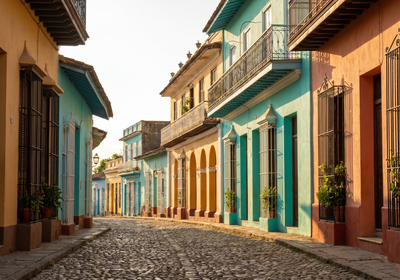
Trinidad: The historic center around Plaza Mayor is generally covered by 4G to serve the high number of visitors. However, the city's old-world charm comes with a connectivity challenge: the narrow cobblestone streets and thick-walled colonial structures can block signals, leading to spotty or non-existent indoor coverage. The connection becomes less reliable as you move away from the main tourist square.
Santiago de Cuba: The nation's second city has decent 4G coverage in its central core, especially around Parque Céspedes and the main commercial streets. The city's hilly terrain can create some signal dead zones, and service can become less consistent as you venture into the surrounding residential areas or travel further from the downtown area.
Viñales: In the town of Viñales itself, you can find a usable 4G signal, especially around the main square where connectivity is focused. However, once you venture out into the famous valley (Valle de Viñales) to see the mogotes and tobacco farms, mobile signal becomes very intermittent or disappears completely. Plan to be offline when exploring the rural landscape.

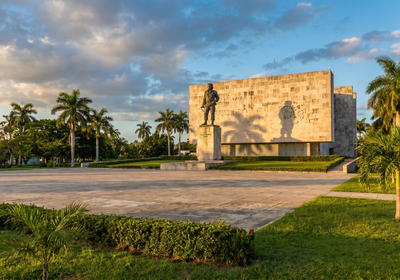
Autopista Nacional (A1/A4): As Cuba's primary expressway connecting major cities, it offers the most reliable mobile coverage on the island. However, expect signal to weaken or temporarily drop in the long, rural stretches between provincial capitals, particularly between Santa Clara, Ciego de Ávila, and Camagüey.
Ferrocarriles de Cuba: Train travel, especially on the main line from Havana to Santiago de Cuba, involves frequent and prolonged periods without a stable connection. Service is generally available when passing through major towns and cities but is largely absent across the vast central agricultural plains.
Mountainous Regions: Cellular service is extremely limited or non-existent when traversing the Sierra Maestra in the east or the Escambray Mountains in central Cuba. Routes like the one to Topes de Collantes or roads within the Gran Parque Nacional Sierra Maestra are well-known dead zones for connectivity.
Carretera Central: While this historic highway passes directly through more towns than the Autopista, signal strength can be inconsistent. The road's path through less-populated areas and rolling hills often leads to intermittent service drops between population centers.
Coastal and Remote Areas: Scenic but isolated drives, such as the coastal road between Santiago de Cuba and Baracoa (La Farola), have significant and lengthy signal blackouts due to the mountainous terrain. Similarly, vast, sparsely populated areas like the Zapata Peninsula (Ciénaga de Zapata) have almost no coverage outside of small tourist hubs.
How it works
Buy eSIM
Sign up and get your Global eSIM in just a few clicks.

Activate eSIM
Scan the QR code and get connected instantly — no physical SIM needed.

Pay as you go
Only pay for what you use. No contracts, no hidden fees.

Get your eSIM
“
I loved the per-country pricing model. I only paid for the countries I visited, and it was way cheaper than other eSIM providers. No hidden fees — just clear and simple.
“
The auto top-up feature is a lifesaver. I never have to check my balance — internet just works. And when I’m not traveling, I don’t pay. It’s fair and super convenient.


Angel Siphron
Rated
4.7


Bcengi sets its rate at $35 per GB when using ETECSA networks. You are billed only for data consumed, without any mandatory bundles or minimum outlay.
No. Bcengi functions concurrently with your present SIM via dual-SIM capability. You can retain your standard SIM for voice calls and text messages.
Yes, provided your smartphone has eSIM functionality (this typically includes models from 2019 onward). Verify device compatibility at bcengi.com/travelpass/esim-compatibility.
Coverage relies on the ETECSA network's underlying infrastructure. Key cities and popular visitor zones generally enjoy robust connectivity, while more isolated locations might experience weaker signals.
The majority of visitors utilize between 500 MB and 2 GB of data each day. A typical week's usage would amount to roughly $122.50 under the pay-as-you-go tariff.
Yes. A single Bcengi eSIM offers service in over 200 countries. Your existing balance transfers, eliminating the requirement to purchase a separate eSIM for every new place visited.
You have the option to replenish your funds at any point through travel.bcengi.com, or activate the auto-refill feature to ensure uninterrupted service.
No. Your Bcengi balance remains valid indefinitely, regardless of whether you access it in the coming week or the following year.

$
35
/GB

Instant delivery

No expiry

24/7 support

Secure checkout

Pay As You Go
from
$
35
/GB
$10
POPULAR
$25
$50
$100
Select your starting balance
Get your eSIM
→

Secure Payments |
Powered by

Rated
4.7


💵 You add
$25
to your balance.
✈️ In
Cuba
you use
3GB
at
$
35
/GB
.
🌍
Colombia
3 months later -
3GB at $
4.44
/GB.
🔥 Your same balance covers both trips — one eSIM, no expiry, no wasted data, no new package.
How it works


Install once, keep it on your phone

Use balance only when you travel

Pay as you go, for actual use.

No fixed plans, no expiration

One eSIM for all trips, 200+ Countries.
Learn more
Just $
35
per GB.
No surprises, No bundles, No expiry.

Light Usage •
200 MB/day
$
0.00
/day
Maps, messaging, browsing

Moderate •
500 MB/day
$
0.00
/day

Heavy •
2 GB/day
$
0.00
/day
Streaming, uploads, video calls
Havana: As the capital, Havana offers the most reliable 4G/LTE coverage in the country, particularly in tourist-heavy districts like Old Havana (Habana Vieja), Vedado, and Miramar. Major hotels and parks generally have a strong signal. However, indoor coverage can be weaker inside older colonial buildings with thick walls, and the signal may drop to 3G in less central residential neighborhoods.
Varadero: Connectivity is prioritized in this major resort town. You can expect consistent 4G access along the main hotel strip, on the beaches, and within the town center. While outdoor signal is strong, coverage can sometimes be less stable deep inside large, concrete resort buildings.
Trinidad: The historic center around Plaza Mayor is generally covered by 4G to serve the high number of visitors. However, the city's old-world charm comes with a connectivity challenge: the narrow cobblestone streets and thick-walled colonial structures can block signals, leading to spotty or non-existent indoor coverage. The connection becomes less reliable as you move away from the main tourist square.
Santiago de Cuba: The nation's second city has decent 4G coverage in its central core, especially around Parque Céspedes and the main commercial streets. The city's hilly terrain can create some signal dead zones, and service can become less consistent as you venture into the surrounding residential areas or travel further from the downtown area.
Viñales: In the town of Viñales itself, you can find a usable 4G signal, especially around the main square where connectivity is focused. However, once you venture out into the famous valley (Valle de Viñales) to see the mogotes and tobacco farms, mobile signal becomes very intermittent or disappears completely. Plan to be offline when exploring the rural landscape.
Autopista Nacional (A1/A4): As Cuba's primary expressway connecting major cities, it offers the most reliable mobile coverage on the island. However, expect signal to weaken or temporarily drop in the long, rural stretches between provincial capitals, particularly between Santa Clara, Ciego de Ávila, and Camagüey.
Ferrocarriles de Cuba: Train travel, especially on the main line from Havana to Santiago de Cuba, involves frequent and prolonged periods without a stable connection. Service is generally available when passing through major towns and cities but is largely absent across the vast central agricultural plains.
Mountainous Regions: Cellular service is extremely limited or non-existent when traversing the Sierra Maestra in the east or the Escambray Mountains in central Cuba. Routes like the one to Topes de Collantes or roads within the Gran Parque Nacional Sierra Maestra are well-known dead zones for connectivity.
Carretera Central: While this historic highway passes directly through more towns than the Autopista, signal strength can be inconsistent. The road's path through less-populated areas and rolling hills often leads to intermittent service drops between population centers.
Coastal and Remote Areas: Scenic but isolated drives, such as the coastal road between Santiago de Cuba and Baracoa (La Farola), have significant and lengthy signal blackouts due to the mountainous terrain. Similarly, vast, sparsely populated areas like the Zapata Peninsula (Ciénaga de Zapata) have almost no coverage outside of small tourist hubs.
Learn more about
Cuba
How it works

1. Buy eSIM
Sign up and get your Global eSIM in just a few clicks.

2. Activate eSIM
Scan the QR code and get connected instantly — no physical SIM needed.

3. Pay as you go
Only pay for what you use. No contracts, no hidden fees.
Get your eSIM
Rated
4.7
“
I loved the per-country pricing model. I only paid for the countries I visited, and it was way cheaper than other eSIM providers. No hidden fees — just clear and simple.


Kaylynn Mango


Bcengi sets its rate at $35 per GB when using ETECSA networks. You are billed only for data consumed, without any mandatory bundles or minimum outlay.
No. Bcengi functions concurrently with your present SIM via dual-SIM capability. You can retain your standard SIM for voice calls and text messages.
Yes, provided your smartphone has eSIM functionality (this typically includes models from 2019 onward). Verify device compatibility at bcengi.com/travelpass/esim-compatibility.
Coverage relies on the ETECSA network's underlying infrastructure. Key cities and popular visitor zones generally enjoy robust connectivity, while more isolated locations might experience weaker signals.
The majority of visitors utilize between 500 MB and 2 GB of data each day. A typical week's usage would amount to roughly $122.50 under the pay-as-you-go tariff.
Yes. A single Bcengi eSIM offers service in over 200 countries. Your existing balance transfers, eliminating the requirement to purchase a separate eSIM for every new place visited.
You have the option to replenish your funds at any point through travel.bcengi.com, or activate the auto-refill feature to ensure uninterrupted service.
No. Your Bcengi balance remains valid indefinitely, regardless of whether you access it in the coming week or the following year.
$
35
/GB
Instant delivery

No expiry
24/7 support
Secure checkout

Bcengi TravelPass keeps you connected worldwide with one reusable eSIM - no expirations, no wasted data.


Settings
English

USD


Bcengi TravelPass keeps you connected worldwide with one reusable eSIM - no expirations, no wasted data.



Secure Payments | Powered by