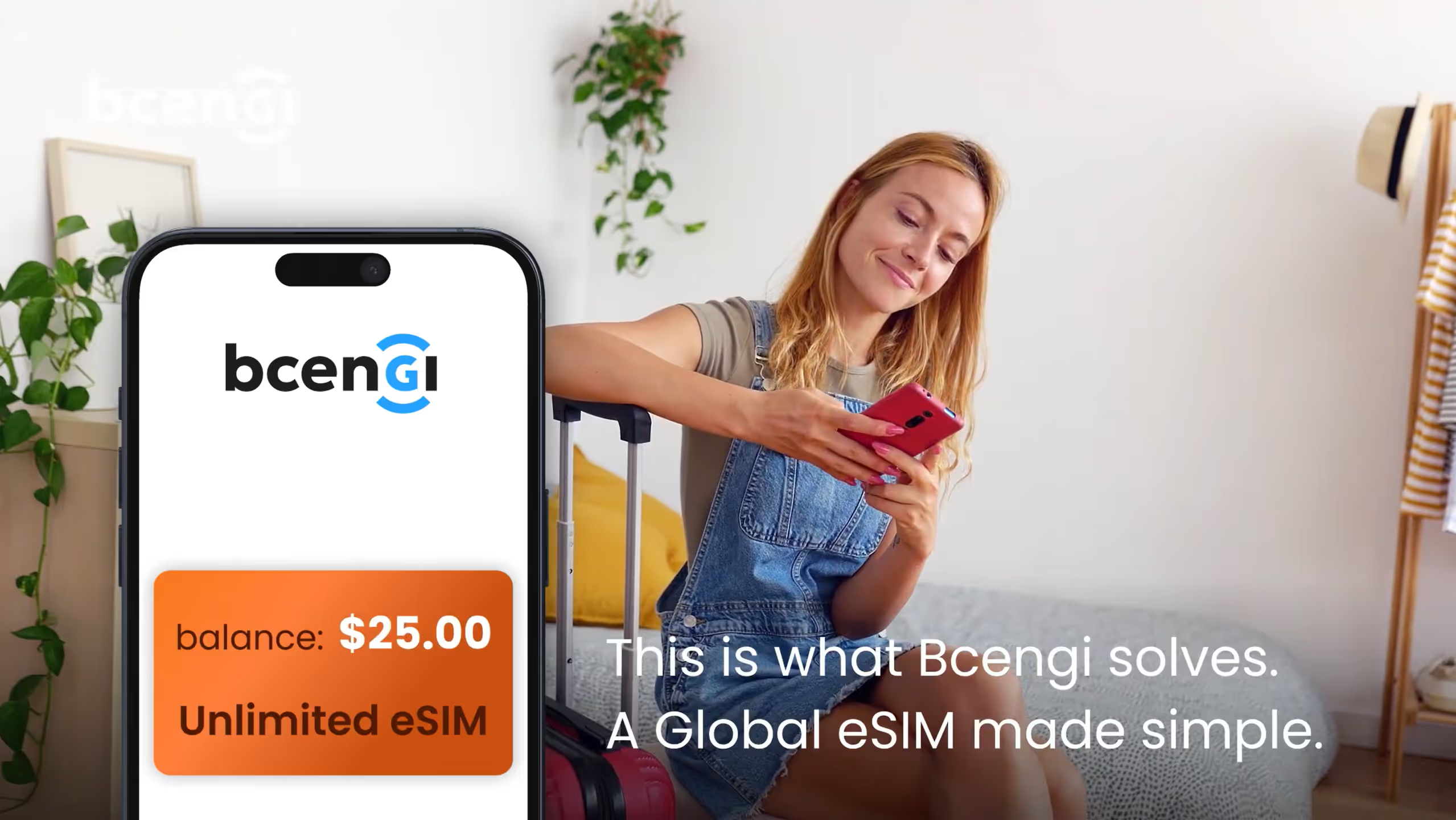

Personal Travel
Personal Travel



Finland

SONERA, dna
Pay As You Go
from
$
1.19
/GB
$10
POPULAR
$25
$50
$100
Select your starting balance
Get your eSIM
→

Your payment is fully secured |
Powered by

Rated
4.7


Install once, keep it on your phone.

Pay as you go, for actual use.

No fixed plans, no expiration.

Use balance only when you travel.

One eSIM for all trips, 200+ Countries.
Pay As You Go data, wherever you travel
💵 You add
$25
to your balance.
✈️ In
Finland
you use
3GB
at
$
1.19
/GB
.
🌍
Spain
3 months later -
3GB at $
1.19
/GB.
🔥 Your same balance covers both trips -
one eSIM, no expiry, no wasted data, no new package.
Just $
1.19
per GB. No surprises, No bundles, No expiry.

Light Usage
~200 MB/day
$
0.00
/day
Maps, messaging, browsing

Moderate
~500 MB/day
$
0.00
/day

Heavy
~2 GB/day
$
0.00
/day
Streaming, uploads, video calls
Helsinki: Strong 4G and 5G coverage is standard across the capital region, including popular tourist areas like the city center and the Suomenlinna sea fortress. Unlike many underground systems, the Helsinki Metro (Helsingin metro) maintains excellent, uninterrupted cell service on both platforms and within the tunnels. Indoor coverage in shopping centres and museums is generally very reliable.
Tampere: As Finland's second-largest urban area, Tampere offers robust and fast mobile connectivity throughout the city center and surrounding districts. The modern Tampere Tram (Tampereen ratikka) system has seamless coverage along its entire route. Signal remains strong indoors and in popular spots like the Särkänniemi amusement park.
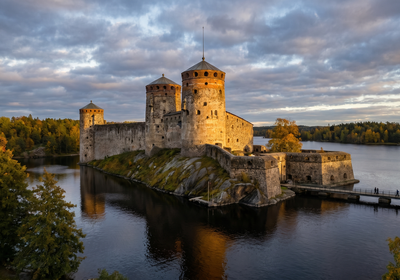
Turku: Excellent network performance is found throughout Finland's oldest city, from the medieval Turku Castle to the lively banks of the Aura River. Coverage extends reliably to the nearby archipelago, ensuring a stable connection on most inter-island ferries. Some of the oldest stone buildings in the city center might occasionally have slightly weaker indoor signals.
Oulu: Known as a major technology hub, Oulu boasts first-class 4G and 5G networks across the city, including the university campus and technology park areas. Connectivity is solid in the city center and along the waterfront, with no notable coverage gaps in public spaces or commercial buildings.
Rovaniemi: In the capital of Lapland, you'll find great coverage within the city limits, including the Santa Claus Village. The network is designed to handle high tourist traffic. However, as you travel outside the city for activities like Northern Lights tours or husky sledding in more remote forests, the signal can become intermittent or unavailable - it's best to download maps offline for wilderness excursions.

Main National Roads (E18, E75, E12): Coverage is strong and reliable on major motorways in southern Finland, such as the E18 (Turku-Helsinki) and E12 (Helsinki-Tampere). However, when traveling north on the E75 (National Road 4) beyond Oulu into Lapland, expect signal to weaken or drop completely for long stretches through forests between population centers.
VR Intercity Trains: On routes within the populous southern region, like Helsinki to Tampere or Turku, mobile connectivity is generally consistent. For long-distance and overnight trains, such as the journey to Rovaniemi in Lapland, the signal becomes intermittent as the train passes through vast, sparsely populated forest areas.
Lapland and Eastern Finland Wilderness: While Finland has no major mountain passes, the vast wilderness areas of Lapland and the eastern border regions like Kainuu offer similar connectivity challenges. Service is typically good in towns and ski resorts but is often unavailable when driving or hiking through national parks and the remote fells.
Tunnels and Archipelago Crossings: Most road tunnels in Finland are relatively short, causing only momentary signal loss. When traveling by ferry or road through the Archipelago Sea, particularly between smaller islands off the main routes, your signal may become weak or unstable due to the unique geography and distance from cell towers on the mainland.
How it works
Buy eSIM
Sign up and get your Global eSIM in just a few clicks.

Activate eSIM
Scan the QR code and get connected instantly — no physical SIM needed.

Pay as you go
Only pay for what you use. No contracts, no hidden fees.

Get your eSIM
“
I loved the per-country pricing model. I only paid for the countries I visited, and it was way cheaper than other eSIM providers. No hidden fees — just clear and simple.
“
The auto top-up feature is a lifesaver. I never have to check my balance — internet just works. And when I’m not traveling, I don’t pay. It’s fair and super convenient.


Angel Siphron
Rated
4.7


Bcengi bills $1.19 per GB when operating on the SONERA and dna networks. Payments are solely for the data consumed; there are no bundle requirements or minimum spending obligations.
No. Bcengi functions concurrently with your current SIM through its dual-SIM capabilities. You can retain your standard SIM for making calls and sending texts.
Absolutely, provided your device supports eSIM technology, which includes the majority of phones released from 2019 onward. Verify your device's compatibility at bcengi.com/travelpass/esim-compatibility.
The extent of coverage is determined by the existing SONERA and dna network infrastructure. Generally, robust signal strength is available in prominent cities and popular tourist destinations. Conversely, isolated or remote locales might experience restricted service.
Most individuals traveling consume between 500 MB and 2 GB of data daily. For a standard week, the estimated cost using pay-as-you-go rates is around $4.17.
Yes. A single Bcengi eSIM provides service in over 200 nations. Your remaining balance transfers, eliminating the requirement to purchase a separate eSIM for every new place you visit.
You have the option to add more funds whenever needed at travel.bcengi.com, or you can activate auto-refill to ensure your balance remains continuously active.
No. Your Bcengi account balance does not have an expiry date, whether you plan to utilize it in the near future or much later.

$
1.19
/GB

Instant delivery

No expiry

24/7 support

Secure checkout

Pay As You Go
from
$
1.19
/GB
$10
POPULAR
$25
$50
$100
Select your starting balance
Get your eSIM
→

Secure Payments |
Powered by

Rated
4.7


💵 You add
$25
to your balance.
✈️ In
Finland
you use
3GB
at
$
1.19
/GB
.
🌍
Spain
3 months later -
3GB at $
1.19
/GB.
🔥 Your same balance covers both trips — one eSIM, no expiry, no wasted data, no new package.
How it works


Install once, keep it on your phone

Use balance only when you travel

Pay as you go, for actual use.

No fixed plans, no expiration

One eSIM for all trips, 200+ Countries.
Learn more
Just $
1.19
per GB.
No surprises, No bundles, No expiry.

Light Usage •
200 MB/day
$
0.00
/day
Maps, messaging, browsing

Moderate •
500 MB/day
$
0.00
/day

Heavy •
2 GB/day
$
0.00
/day
Streaming, uploads, video calls
Helsinki: Strong 4G and 5G coverage is standard across the capital region, including popular tourist areas like the city center and the Suomenlinna sea fortress. Unlike many underground systems, the Helsinki Metro (Helsingin metro) maintains excellent, uninterrupted cell service on both platforms and within the tunnels. Indoor coverage in shopping centres and museums is generally very reliable.
Tampere: As Finland's second-largest urban area, Tampere offers robust and fast mobile connectivity throughout the city center and surrounding districts. The modern Tampere Tram (Tampereen ratikka) system has seamless coverage along its entire route. Signal remains strong indoors and in popular spots like the Särkänniemi amusement park.
Turku: Excellent network performance is found throughout Finland's oldest city, from the medieval Turku Castle to the lively banks of the Aura River. Coverage extends reliably to the nearby archipelago, ensuring a stable connection on most inter-island ferries. Some of the oldest stone buildings in the city center might occasionally have slightly weaker indoor signals.
Oulu: Known as a major technology hub, Oulu boasts first-class 4G and 5G networks across the city, including the university campus and technology park areas. Connectivity is solid in the city center and along the waterfront, with no notable coverage gaps in public spaces or commercial buildings.
Rovaniemi: In the capital of Lapland, you'll find great coverage within the city limits, including the Santa Claus Village. The network is designed to handle high tourist traffic. However, as you travel outside the city for activities like Northern Lights tours or husky sledding in more remote forests, the signal can become intermittent or unavailable - it's best to download maps offline for wilderness excursions.
Main National Roads (E18, E75, E12): Coverage is strong and reliable on major motorways in southern Finland, such as the E18 (Turku-Helsinki) and E12 (Helsinki-Tampere). However, when traveling north on the E75 (National Road 4) beyond Oulu into Lapland, expect signal to weaken or drop completely for long stretches through forests between population centers.
VR Intercity Trains: On routes within the populous southern region, like Helsinki to Tampere or Turku, mobile connectivity is generally consistent. For long-distance and overnight trains, such as the journey to Rovaniemi in Lapland, the signal becomes intermittent as the train passes through vast, sparsely populated forest areas.
Lapland and Eastern Finland Wilderness: While Finland has no major mountain passes, the vast wilderness areas of Lapland and the eastern border regions like Kainuu offer similar connectivity challenges. Service is typically good in towns and ski resorts but is often unavailable when driving or hiking through national parks and the remote fells.
Tunnels and Archipelago Crossings: Most road tunnels in Finland are relatively short, causing only momentary signal loss. When traveling by ferry or road through the Archipelago Sea, particularly between smaller islands off the main routes, your signal may become weak or unstable due to the unique geography and distance from cell towers on the mainland.
Learn more about
Finland
How it works

1. Buy eSIM
Sign up and get your Global eSIM in just a few clicks.

2. Activate eSIM
Scan the QR code and get connected instantly — no physical SIM needed.

3. Pay as you go
Only pay for what you use. No contracts, no hidden fees.
Get your eSIM
Rated
4.7
“
I loved the per-country pricing model. I only paid for the countries I visited, and it was way cheaper than other eSIM providers. No hidden fees — just clear and simple.


Kaylynn Mango


Bcengi bills $1.19 per GB when operating on the SONERA and dna networks. Payments are solely for the data consumed; there are no bundle requirements or minimum spending obligations.
No. Bcengi functions concurrently with your current SIM through its dual-SIM capabilities. You can retain your standard SIM for making calls and sending texts.
Absolutely, provided your device supports eSIM technology, which includes the majority of phones released from 2019 onward. Verify your device's compatibility at bcengi.com/travelpass/esim-compatibility.
The extent of coverage is determined by the existing SONERA and dna network infrastructure. Generally, robust signal strength is available in prominent cities and popular tourist destinations. Conversely, isolated or remote locales might experience restricted service.
Most individuals traveling consume between 500 MB and 2 GB of data daily. For a standard week, the estimated cost using pay-as-you-go rates is around $4.17.
Yes. A single Bcengi eSIM provides service in over 200 nations. Your remaining balance transfers, eliminating the requirement to purchase a separate eSIM for every new place you visit.
You have the option to add more funds whenever needed at travel.bcengi.com, or you can activate auto-refill to ensure your balance remains continuously active.
No. Your Bcengi account balance does not have an expiry date, whether you plan to utilize it in the near future or much later.
$
1.19
/GB
Instant delivery

No expiry
24/7 support
Secure checkout

Bcengi TravelPass keeps you connected worldwide with one reusable eSIM - no expirations, no wasted data.


Settings
English

USD


Bcengi TravelPass keeps you connected worldwide with one reusable eSIM - no expirations, no wasted data.



Secure Payments | Powered by