

Personal Travel
Personal Travel

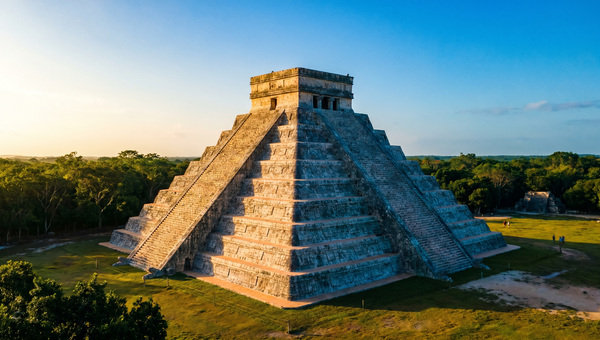

Mexico

TELCEL GSM
Pay As You Go
from
$
4.86
/GB
$10
POPULAR
$25
$50
$100
Select your starting balance
Get your eSIM
→

Your payment is fully secured |
Powered by

Rated
4.7


Install once, keep it on your phone.

Pay as you go, for actual use.

No fixed plans, no expiration.

Use balance only when you travel.

One eSIM for all trips, 200+ Countries.
Pay As You Go data, wherever you travel
💵 You add
$25
to your balance.
✈️ In
Mexico
you use
3GB
at
$
4.86
/GB
.
🌍
Peru
3 months later -
3GB at $
4.86
/GB.
🔥 Your same balance covers both trips -
one eSIM, no expiry, no wasted data, no new package.
Just $
4.86
per GB. No surprises, No bundles, No expiry.

Light Usage
~200 MB/day
$
0.00
/day
Maps, messaging, browsing

Moderate
~500 MB/day
$
0.00
/day

Heavy
~2 GB/day
$
0.00
/day
Streaming, uploads, video calls
Mexico City: Expect robust 4G and 5G coverage across the sprawling capital, especially in popular districts like Roma, Condesa, and the Centro Histórico. The Mexico City Metro system provides reliable signal on most station platforms, but service can be intermittent while trains are moving between stops on deeper, older lines. Indoor coverage is generally strong but can weaken inside older buildings with thick walls.
Cancún: Connectivity is excellent throughout the main Hotel Zone (Zona Hotelera) and downtown, with strong 4G and 5G signals designed to handle high tourist traffic. Signal strength can become less reliable if you travel to more remote beaches or inland jungle areas away from the main Riviera Maya tourist corridor. Major resorts and shopping centers have solid indoor coverage.
Guadalajara: The metropolitan area offers consistent 4G/LTE and growing 5G service, including the historic center and surrounding municipalities like Zapopan. The Mi Tren light rail system has good coverage on its above-ground sections, while underground portions may experience brief signal drops between stations. Signal penetration can be weaker inside some of the older, colonial-style buildings in the city center.
Monterrey: As a key business hub, Monterrey boasts excellent mobile infrastructure with widespread 4G and 5G coverage. The Metrorrey system is primarily elevated, ensuring a continuous and stable connection during your ride. While the urban area is well-covered, be aware that signal may become patchy if you venture into the surrounding mountains for hiking or exploration.



Major Toll Highways (Autopistas): Coverage is generally reliable along key toll roads like MEX-15D (Mexico-Nogales), MEX-57D (Querétaro-Saltillo), and MEX-95D (Autopista del Sol to Acapulco). However, expect intermittent signal drops in mountainous sections and long, unpopulated stretches, particularly in states like Sonora or Zacatecas.
Passenger Rail Systems: The new Tren Maya route in the Yucatán Peninsula has developing coverage, but service can be inconsistent in the jungle sections between stations. On the scenic Chepe Express through the Copper Canyon, cellular signal is extremely limited and should not be relied upon for most of the journey.
Sierra Madre Mountain Crossings: Driving through the Sierra Madre Occidental or Oriental ranges will result in significant periods of signal loss. Highways like the dramatic Durango-Mazatlán route (MEX-40D) have very patchy service in high-altitude passes and deep canyons.
Northern Desert Regions: In the vast Sonoran and Chihuahuan deserts of northern Mexico, mobile signal is concentrated in and around cities and towns. Travel between population centers, such as Hermosillo and Chihuahua, will involve long stretches with no service available.
Long Tunnels and Bridges: Most long highway tunnels, particularly those on modern mountain highways like the Autopista del Sol, do not have cellular repeaters installed. You will lose signal upon entering a tunnel and regain it shortly after exiting.
How it works
Buy eSIM
Sign up and get your Global eSIM in just a few clicks.

Activate eSIM
Scan the QR code and get connected instantly — no physical SIM needed.

Pay as you go
Only pay for what you use. No contracts, no hidden fees.

Get your eSIM
“
I loved the per-country pricing model. I only paid for the countries I visited, and it was way cheaper than other eSIM providers. No hidden fees — just clear and simple.
“
The auto top-up feature is a lifesaver. I never have to check my balance — internet just works. And when I’m not traveling, I don’t pay. It’s fair and super convenient.


Angel Siphron
Rated
4.7


Data through the TELCEL network is priced at $4.86 per GB, billed incrementally by the MB with no minimum usage requirement and no expiration. For a standard day of moderate activity such as navigation, WhatsApp, and social media, the expense usually ranges from $2 to $3.
No. TravelPass functions as an eSIM, a digital SIM profile that can be installed on your device concurrently with your existing physical SIM. Your primary SIM card can stay in your phone and will continue to receive calls and text messages. TravelPass is used exclusively for data services.
Yes, provided your device is compatible. eSIM capability is available on iPhone XS models and newer, Google Pixel 3 models and newer, Samsung Galaxy S20 models and newer, and most flagship Android smartphones manufactured from 2020 forward. Please check your device's eligibility on our compatibility page.
TELCEL offers reliable coverage across Mexico's key cities, vacation resort zones, and primary highways. Signal strength tends to decrease in mountainous regions such as the Oaxacan highlands and Sierra Madre ranges, isolated rural areas, and dense jungle environments. For most common tourist routes, the coverage will be sufficient.
For most travelers embarking on a 7-day trip that blends resort stays and urban exploration, 2 to 4 GB of data should be adequate. Light users who primarily remain at resorts with available WiFi may use less than 1 GB. Individuals with high data demands, particularly those making frequent video calls, could require 5 to 8 GB. Downloading offline maps is a great way to significantly reduce data usage.
Yes. The Cancún Hotel Zone and the Riviera Maya corridor benefit from strong TELCEL 4G coverage. Given that in-resort WiFi is typically robust, your TravelPass data consumption will be low during resort stays. The eSIM proves most useful when you are in transit, exploring cenotes, or venturing into towns beyond the reach of resort WiFi.
Along its main stretch, Highway 307, which runs from Cancún and Playa del Carmen towards Tulum, has coverage. Signal strength can decrease in jungle areas situated away from the highway. Tulum town itself is well-covered. The beach hotel strip to the south of Tulum town exhibits variable signal, and some eco-friendly hotels there deliberately limit connectivity. Ensure you download offline maps for the Tulum-Cobá route before you travel.
From a practical perspective, yes. WhatsApp functions as the primary communication platform across Mexico, used by locals, businesses, tour operators, drivers, and accommodation providers. Bookings are often confirmed, directions shared, and local contacts expect to communicate with you through this application. Having data access specifically for WhatsApp is more crucial in Mexico than in many other travel destinations.
Oaxaca City enjoys good TELCEL 4G coverage. Key archaeological sites like Monte Albán and Mitla typically have reasonable signal. Coverage notably decreases in the mountain villages of the Sierra Norte and remote Mixteca communities. Nevertheless, for Oaxaca City and its main tourist areas, connectivity is adequate. It's recommended to download offline maps if you plan to venture beyond the Valles Centrales.
TravelPass functions in both Mexico and the US, with pricing structures differing between the two nations. Your account balance will transfer from one country to the other, so there is no need to acquire a new plan or switch SIMs when crossing the border. For specific pricing and coverage information pertinent to the United States, consult the United States eSIM page.

$
4.86
/GB

Instant delivery

No expiry

24/7 support

Secure checkout

Pay As You Go
from
$
4.86
/GB
$10
POPULAR
$25
$50
$100
Select your starting balance
Get your eSIM
→

Secure Payments |
Powered by

Rated
4.7


💵 You add
$25
to your balance.
✈️ In
Mexico
you use
3GB
at
$
4.86
/GB
.
🌍
Peru
3 months later -
3GB at $
4.86
/GB.
🔥 Your same balance covers both trips — one eSIM, no expiry, no wasted data, no new package.
How it works


Install once, keep it on your phone

Use balance only when you travel

Pay as you go, for actual use.

No fixed plans, no expiration

One eSIM for all trips, 200+ Countries.
Learn more
Just $
4.86
per GB.
No surprises, No bundles, No expiry.

Light Usage •
200 MB/day
$
0.00
/day
Maps, messaging, browsing

Moderate •
500 MB/day
$
0.00
/day

Heavy •
2 GB/day
$
0.00
/day
Streaming, uploads, video calls
Mexico City: Expect robust 4G and 5G coverage across the sprawling capital, especially in popular districts like Roma, Condesa, and the Centro Histórico. The Mexico City Metro system provides reliable signal on most station platforms, but service can be intermittent while trains are moving between stops on deeper, older lines. Indoor coverage is generally strong but can weaken inside older buildings with thick walls.
Cancún: Connectivity is excellent throughout the main Hotel Zone (Zona Hotelera) and downtown, with strong 4G and 5G signals designed to handle high tourist traffic. Signal strength can become less reliable if you travel to more remote beaches or inland jungle areas away from the main Riviera Maya tourist corridor. Major resorts and shopping centers have solid indoor coverage.
Guadalajara: The metropolitan area offers consistent 4G/LTE and growing 5G service, including the historic center and surrounding municipalities like Zapopan. The Mi Tren light rail system has good coverage on its above-ground sections, while underground portions may experience brief signal drops between stations. Signal penetration can be weaker inside some of the older, colonial-style buildings in the city center.
Monterrey: As a key business hub, Monterrey boasts excellent mobile infrastructure with widespread 4G and 5G coverage. The Metrorrey system is primarily elevated, ensuring a continuous and stable connection during your ride. While the urban area is well-covered, be aware that signal may become patchy if you venture into the surrounding mountains for hiking or exploration.
Major Toll Highways (Autopistas): Coverage is generally reliable along key toll roads like MEX-15D (Mexico-Nogales), MEX-57D (Querétaro-Saltillo), and MEX-95D (Autopista del Sol to Acapulco). However, expect intermittent signal drops in mountainous sections and long, unpopulated stretches, particularly in states like Sonora or Zacatecas.
Passenger Rail Systems: The new Tren Maya route in the Yucatán Peninsula has developing coverage, but service can be inconsistent in the jungle sections between stations. On the scenic Chepe Express through the Copper Canyon, cellular signal is extremely limited and should not be relied upon for most of the journey.
Sierra Madre Mountain Crossings: Driving through the Sierra Madre Occidental or Oriental ranges will result in significant periods of signal loss. Highways like the dramatic Durango-Mazatlán route (MEX-40D) have very patchy service in high-altitude passes and deep canyons.
Northern Desert Regions: In the vast Sonoran and Chihuahuan deserts of northern Mexico, mobile signal is concentrated in and around cities and towns. Travel between population centers, such as Hermosillo and Chihuahua, will involve long stretches with no service available.
Long Tunnels and Bridges: Most long highway tunnels, particularly those on modern mountain highways like the Autopista del Sol, do not have cellular repeaters installed. You will lose signal upon entering a tunnel and regain it shortly after exiting.
Learn more about
Mexico
How it works

1. Buy eSIM
Sign up and get your Global eSIM in just a few clicks.

2. Activate eSIM
Scan the QR code and get connected instantly — no physical SIM needed.

3. Pay as you go
Only pay for what you use. No contracts, no hidden fees.
Get your eSIM
Rated
4.7
“
I loved the per-country pricing model. I only paid for the countries I visited, and it was way cheaper than other eSIM providers. No hidden fees — just clear and simple.


Kaylynn Mango


Data through the TELCEL network is priced at $4.86 per GB, billed incrementally by the MB with no minimum usage requirement and no expiration. For a standard day of moderate activity such as navigation, WhatsApp, and social media, the expense usually ranges from $2 to $3.
No. TravelPass functions as an eSIM, a digital SIM profile that can be installed on your device concurrently with your existing physical SIM. Your primary SIM card can stay in your phone and will continue to receive calls and text messages. TravelPass is used exclusively for data services.
Yes, provided your device is compatible. eSIM capability is available on iPhone XS models and newer, Google Pixel 3 models and newer, Samsung Galaxy S20 models and newer, and most flagship Android smartphones manufactured from 2020 forward. Please check your device's eligibility on our compatibility page.
TELCEL offers reliable coverage across Mexico's key cities, vacation resort zones, and primary highways. Signal strength tends to decrease in mountainous regions such as the Oaxacan highlands and Sierra Madre ranges, isolated rural areas, and dense jungle environments. For most common tourist routes, the coverage will be sufficient.
For most travelers embarking on a 7-day trip that blends resort stays and urban exploration, 2 to 4 GB of data should be adequate. Light users who primarily remain at resorts with available WiFi may use less than 1 GB. Individuals with high data demands, particularly those making frequent video calls, could require 5 to 8 GB. Downloading offline maps is a great way to significantly reduce data usage.
Yes. The Cancún Hotel Zone and the Riviera Maya corridor benefit from strong TELCEL 4G coverage. Given that in-resort WiFi is typically robust, your TravelPass data consumption will be low during resort stays. The eSIM proves most useful when you are in transit, exploring cenotes, or venturing into towns beyond the reach of resort WiFi.
Along its main stretch, Highway 307, which runs from Cancún and Playa del Carmen towards Tulum, has coverage. Signal strength can decrease in jungle areas situated away from the highway. Tulum town itself is well-covered. The beach hotel strip to the south of Tulum town exhibits variable signal, and some eco-friendly hotels there deliberately limit connectivity. Ensure you download offline maps for the Tulum-Cobá route before you travel.
From a practical perspective, yes. WhatsApp functions as the primary communication platform across Mexico, used by locals, businesses, tour operators, drivers, and accommodation providers. Bookings are often confirmed, directions shared, and local contacts expect to communicate with you through this application. Having data access specifically for WhatsApp is more crucial in Mexico than in many other travel destinations.
Oaxaca City enjoys good TELCEL 4G coverage. Key archaeological sites like Monte Albán and Mitla typically have reasonable signal. Coverage notably decreases in the mountain villages of the Sierra Norte and remote Mixteca communities. Nevertheless, for Oaxaca City and its main tourist areas, connectivity is adequate. It's recommended to download offline maps if you plan to venture beyond the Valles Centrales.
TravelPass functions in both Mexico and the US, with pricing structures differing between the two nations. Your account balance will transfer from one country to the other, so there is no need to acquire a new plan or switch SIMs when crossing the border. For specific pricing and coverage information pertinent to the United States, consult the United States eSIM page.
$
4.86
/GB
Instant delivery

No expiry
24/7 support
Secure checkout

Bcengi TravelPass keeps you connected worldwide with one reusable eSIM - no expirations, no wasted data.


Settings
English

USD


Bcengi TravelPass keeps you connected worldwide with one reusable eSIM - no expirations, no wasted data.



Secure Payments | Powered by