

Personal Travel
Personal Travel



Philippines

Globe Telecom
Pay As You Go
from
$
2.78
/GB
$10
POPULAR
$25
$50
$100
Select your starting balance
Get your eSIM
→

Your payment is fully secured |
Powered by

Rated
4.7


Install once, keep it on your phone.

Pay as you go, for actual use.

No fixed plans, no expiration.

Use balance only when you travel.

One eSIM for all trips, 200+ Countries.
Pay As You Go data, wherever you travel
💵 You add
$25
to your balance.
✈️ In
Philippines
you use
3GB
at
$
2.78
/GB
.
🌍
Japan
3 months later -
3GB at $
2.82
/GB.
🔥 Your same balance covers both trips -
one eSIM, no expiry, no wasted data, no new package.
Just $
2.78
per GB. No surprises, No bundles, No expiry.

Light Usage
~200 MB/day
$
0.00
/day
Maps, messaging, browsing

Moderate
~500 MB/day
$
0.00
/day

Heavy
~2 GB/day
$
0.00
/day
Streaming, uploads, video calls
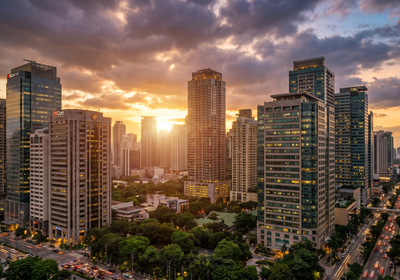
Metro Manila: The capital region has extensive 4G/LTE and growing 5G coverage across its major cities like Makati, BGC, and Quezon City. Signal is strong in business districts and malls, but can weaken inside older, dense concrete buildings. On the elevated LRT and MRT rail systems, connectivity is reliable at the stations, but the signal frequently drops while the train is moving between them.
Cebu City: As a major urban hub, Cebu City and neighboring Mactan Island have solid network performance, especially in the city center, the Cebu IT Park, and popular coastal areas. You may experience weaker signals inside large, crowded shopping malls or when traveling to the more remote mountainous parts of the island.
Davao City: You'll find dependable 4G/LTE service throughout Davao's downtown commercial areas and business districts. Coverage is generally very good, but as the city is geographically vast, signal strength can diminish significantly as you travel towards the rural outskirts or the foothills of Mount Apo.
Boracay Island: On this famous tourist island, expect strong connectivity along the popular White Beach (Stations 1, 2, and 3) and around the D'Mall commercial area. Service can become intermittent in more secluded coves or on the eastern side of the island, and data speeds may slow down due to network congestion during peak holiday seasons.
Baguio City: Known as the "Summer Capital", Baguio's city proper and main tourist spots have good coverage. However, due to its mountainous terrain and dense pine forests, the signal can be inconsistent in areas away from the downtown core and may be affected by the region's frequent fog.


Luzon Expressways: Coverage on major tollways like the North Luzon Expressway (NLEX), South Luzon Expressway (SLEX), and Tarlac-Pangasinan-La Union Expressway (TPLEX) is generally reliable. However, you may experience brief signal drops in more rural sections or when passing through dense agricultural areas far from cell towers.
Philippine National Railways (PNR): For the few operational intercity routes, such as the line south from Metro Manila towards the Bicol region, cellular signal is strong within urban centers but becomes highly inconsistent or non-existent for long stretches through rural provinces like Quezon and Camarines Sur.
Cordillera Mountain Roads: Traveling on highways through the Cordillera Central mountains, including the Halsema Highway connecting Baguio and Sagada, results in frequent and extended signal loss. Expect connectivity only within towns and to have no service for most of the mountainous journey between them.
Major Bridges and Tunnels: Long bridges like the San Juanico Bridge (Leyte-Samar) and Cebu-Cordova Link Expressway (CCLEX) typically maintain good signal. Shorter expressway tunnels, like the one on the Subic-Clark-Tarlac Expressway (SCTEX), will cause a complete but brief loss of signal until you exit.
Remote Islands and Mountain Ranges: Expect very limited to no connectivity in large parts of Palawan outside of Puerto Princesa and major towns, the Sierra Madre mountain range on Luzon's eastern coast, and the mountainous interiors of Mindanao. These regions have vast areas with no cellular infrastructure.
How it works
Buy eSIM
Sign up and get your Global eSIM in just a few clicks.

Activate eSIM
Scan the QR code and get connected instantly — no physical SIM needed.

Pay as you go
Only pay for what you use. No contracts, no hidden fees.

Get your eSIM
“
I loved the per-country pricing model. I only paid for the countries I visited, and it was way cheaper than other eSIM providers. No hidden fees — just clear and simple.
“
The auto top-up feature is a lifesaver. I never have to check my balance — internet just works. And when I’m not traveling, I don’t pay. It’s fair and super convenient.


Angel Siphron
Rated
4.7


Bcengi provides data at $2.78/GB via Globe Telecom networks. You are billed solely for consumed data, with no bundles or minimum expenditure required.
No. Bcengi functions alongside your current physical SIM using dual-SIM technology. Your existing SIM card remains available for standard calls and texts.
Yes, if your device supports eSIM (most smartphones from 2019 onward). Check compatibility at bcengi.com/travelpass/esim-compatibility.
Service availability depends on Globe Telecom's network infrastructure. Major cities and tourist areas typically enjoy strong coverage. However, remote regions may experience limited signal.
Most visitors typically consume between 500 MB and 2 GB of data daily. An average week of usage would cost approximately $9.73 with pay-as-you-go pricing.
Yes. A single Bcengi eSIM operates in over 200 countries. Your unused balance transfers across destinations - eliminating the need for a new eSIM with each trip.
You can replenish your credit at any time via travel.bcengi.com, or activate the auto-refill feature to ensure your balance never runs dry.
No. Your Bcengi account balance never expires, whether used next week or even next year.

$
2.78
/GB

Instant delivery

No expiry

24/7 support

Secure checkout

Pay As You Go
from
$
2.78
/GB
$10
POPULAR
$25
$50
$100
Select your starting balance
Get your eSIM
→

Secure Payments |
Powered by

Rated
4.7


💵 You add
$25
to your balance.
✈️ In
Philippines
you use
3GB
at
$
2.78
/GB
.
🌍
Japan
3 months later -
3GB at $
2.82
/GB.
🔥 Your same balance covers both trips — one eSIM, no expiry, no wasted data, no new package.
How it works


Install once, keep it on your phone

Use balance only when you travel

Pay as you go, for actual use.

No fixed plans, no expiration

One eSIM for all trips, 200+ Countries.
Learn more
Just $
2.78
per GB.
No surprises, No bundles, No expiry.

Light Usage •
200 MB/day
$
0.00
/day
Maps, messaging, browsing

Moderate •
500 MB/day
$
0.00
/day

Heavy •
2 GB/day
$
0.00
/day
Streaming, uploads, video calls
Metro Manila: The capital region has extensive 4G/LTE and growing 5G coverage across its major cities like Makati, BGC, and Quezon City. Signal is strong in business districts and malls, but can weaken inside older, dense concrete buildings. On the elevated LRT and MRT rail systems, connectivity is reliable at the stations, but the signal frequently drops while the train is moving between them.
Cebu City: As a major urban hub, Cebu City and neighboring Mactan Island have solid network performance, especially in the city center, the Cebu IT Park, and popular coastal areas. You may experience weaker signals inside large, crowded shopping malls or when traveling to the more remote mountainous parts of the island.
Davao City: You'll find dependable 4G/LTE service throughout Davao's downtown commercial areas and business districts. Coverage is generally very good, but as the city is geographically vast, signal strength can diminish significantly as you travel towards the rural outskirts or the foothills of Mount Apo.
Boracay Island: On this famous tourist island, expect strong connectivity along the popular White Beach (Stations 1, 2, and 3) and around the D'Mall commercial area. Service can become intermittent in more secluded coves or on the eastern side of the island, and data speeds may slow down due to network congestion during peak holiday seasons.
Baguio City: Known as the "Summer Capital", Baguio's city proper and main tourist spots have good coverage. However, due to its mountainous terrain and dense pine forests, the signal can be inconsistent in areas away from the downtown core and may be affected by the region's frequent fog.
Luzon Expressways: Coverage on major tollways like the North Luzon Expressway (NLEX), South Luzon Expressway (SLEX), and Tarlac-Pangasinan-La Union Expressway (TPLEX) is generally reliable. However, you may experience brief signal drops in more rural sections or when passing through dense agricultural areas far from cell towers.
Philippine National Railways (PNR): For the few operational intercity routes, such as the line south from Metro Manila towards the Bicol region, cellular signal is strong within urban centers but becomes highly inconsistent or non-existent for long stretches through rural provinces like Quezon and Camarines Sur.
Cordillera Mountain Roads: Traveling on highways through the Cordillera Central mountains, including the Halsema Highway connecting Baguio and Sagada, results in frequent and extended signal loss. Expect connectivity only within towns and to have no service for most of the mountainous journey between them.
Major Bridges and Tunnels: Long bridges like the San Juanico Bridge (Leyte-Samar) and Cebu-Cordova Link Expressway (CCLEX) typically maintain good signal. Shorter expressway tunnels, like the one on the Subic-Clark-Tarlac Expressway (SCTEX), will cause a complete but brief loss of signal until you exit.
Remote Islands and Mountain Ranges: Expect very limited to no connectivity in large parts of Palawan outside of Puerto Princesa and major towns, the Sierra Madre mountain range on Luzon's eastern coast, and the mountainous interiors of Mindanao. These regions have vast areas with no cellular infrastructure.
Learn more about
Philippines
How it works

1. Buy eSIM
Sign up and get your Global eSIM in just a few clicks.

2. Activate eSIM
Scan the QR code and get connected instantly — no physical SIM needed.

3. Pay as you go
Only pay for what you use. No contracts, no hidden fees.
Get your eSIM
Rated
4.7
“
I loved the per-country pricing model. I only paid for the countries I visited, and it was way cheaper than other eSIM providers. No hidden fees — just clear and simple.


Kaylynn Mango


Bcengi provides data at $2.78/GB via Globe Telecom networks. You are billed solely for consumed data, with no bundles or minimum expenditure required.
No. Bcengi functions alongside your current physical SIM using dual-SIM technology. Your existing SIM card remains available for standard calls and texts.
Yes, if your device supports eSIM (most smartphones from 2019 onward). Check compatibility at bcengi.com/travelpass/esim-compatibility.
Service availability depends on Globe Telecom's network infrastructure. Major cities and tourist areas typically enjoy strong coverage. However, remote regions may experience limited signal.
Most visitors typically consume between 500 MB and 2 GB of data daily. An average week of usage would cost approximately $9.73 with pay-as-you-go pricing.
Yes. A single Bcengi eSIM operates in over 200 countries. Your unused balance transfers across destinations - eliminating the need for a new eSIM with each trip.
You can replenish your credit at any time via travel.bcengi.com, or activate the auto-refill feature to ensure your balance never runs dry.
No. Your Bcengi account balance never expires, whether used next week or even next year.
$
2.78
/GB
Instant delivery

No expiry
24/7 support
Secure checkout

Bcengi TravelPass keeps you connected worldwide with one reusable eSIM - no expirations, no wasted data.


Settings
English

USD


Bcengi TravelPass keeps you connected worldwide with one reusable eSIM - no expirations, no wasted data.



Secure Payments | Powered by