
Personal Travel
Personal Travel



Sweden

Hi3G Access AB (shared with) Vodafone Sverige AB, Telenor, TeliaSonera Mobile Networks
Pay As You Go
from
$
1.19
/GB
$10
POPULAR
$25
$50
$100
Select your starting balance
Get your eSIM
→

Your payment is fully secured |
Powered by

Rated
4.7


Install once, keep it on your phone.

Pay as you go, for actual use.

No fixed plans, no expiration.

Use balance only when you travel.

One eSIM for all trips, 200+ Countries.
Pay As You Go data, wherever you travel
💵 You add
$25
to your balance.
✈️ In
Sweden
you use
3GB
at
$
1.19
/GB
.
🌍
Thailand
3 months later -
3GB at $
1.81
/GB.
🔥 Your same balance covers both trips -
one eSIM, no expiry, no wasted data, no new package.
Just $
1.19
per GB. No surprises, No bundles, No expiry.

Light Usage
~200 MB/day
$
0.00
/day
Maps, messaging, browsing

Moderate
~500 MB/day
$
0.00
/day

Heavy
~2 GB/day
$
0.00
/day
Streaming, uploads, video calls
Stockholm: You'll find excellent 4G and 5G coverage across the capital, including its many islands. The metro system, known as the Tunnelbana, is exceptionally well-connected, with reliable service on most platforms and even in the tunnels between stations. In the historic Gamla Stan (Old Town), the narrow streets and thick stone walls of older buildings can occasionally weaken indoor signals, but performance is generally very strong.
Gothenburg: Sweden's second-largest city boasts robust 4G and rapidly expanding 5G networks. Connectivity is consistent across the city center and along the waterfront. The extensive tram network (spårvagnar) runs above ground, ensuring you have an uninterrupted signal while traveling. Indoor coverage in modern buildings and shopping centers is typically excellent.
Malmö: Expect seamless high-speed 4G and 5G connectivity throughout this southern hub, thanks to its modern infrastructure and flat landscape. The Citytunneln rail link that runs beneath the city maintains good mobile reception. Coverage is reliable from the central squares to the Western Harbour area, providing a consistently strong signal for all your needs.
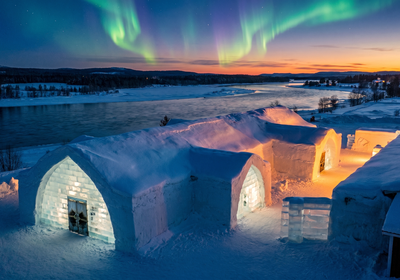
Kiruna: In this northernmost city, you'll have solid 4G coverage within the town center and at key tourist locations like the Icehotel. However, as soon as you venture into the vast surrounding arctic wilderness for activities like dog-sledding or chasing the Northern Lights, expect mobile service to become very limited or completely unavailable. Plan to download maps and information beforehand.


European route highways: Major routes like the E4 (Helsingborg-Stockholm-Haparanda), E6 (Malmö-Gothenburg), and E20 have strong, consistent coverage through the populated southern regions. However, travelling north on the E4 or the inland E45 through Norrland, you will experience significant gaps in service for long distances between towns.
SJ InterCity and High-Speed Trains: On major rail lines connecting Stockholm, Gothenburg, and Malmö, network connectivity is generally reliable, though brief dropouts can occur in rural stretches. Trains travelling further north, especially on the scenic Inlandsbanan (Inland Line), will have very limited and intermittent signal for extended periods.
Scandinavian Mountains (Fjällen): The mountain range along the Norwegian border, including popular areas in Jämtland and Lappland, has very sparse coverage. Expect to lose signal completely when travelling on roads like the E10 west of Kiruna or on smaller routes away from ski resorts and settlements.
Major Tunnels and Bridges: Long road tunnels, such as those in the Södra Länken and Norra Länken systems around Stockholm, may have repeater systems but can still cause temporary signal loss. The Öresund Bridge and Tunnel connecting to Denmark generally maintains good connectivity, but transitions between networks or sections can cause brief interruptions.
Norrland Interior: The vast inland region of northern Sweden, particularly away from the E4 coastal highway, is known for poor connectivity. Travelling inland from cities like Umeå or Luleå will result in long stretches with no signal, especially within national parks and remote forest areas.
How it works
Buy eSIM
Sign up and get your Global eSIM in just a few clicks.

Activate eSIM
Scan the QR code and get connected instantly — no physical SIM needed.

Pay as you go
Only pay for what you use. No contracts, no hidden fees.

Get your eSIM
“
I loved the per-country pricing model. I only paid for the countries I visited, and it was way cheaper than other eSIM providers. No hidden fees — just clear and simple.
“
The auto top-up feature is a lifesaver. I never have to check my balance — internet just works. And when I’m not traveling, I don’t pay. It’s fair and super convenient.


Angel Siphron
Rated
4.7


Bcengi's rate for data is $1.19 per gigabyte across networks including Hi3G Access AB (shared with) Vodafone Sverige AB, Telenor, and TeliaSonera Mobile Networks. You are billed solely for the data consumed, with no fixed bundles or minimum spending requirements.
No. Bcengi operates concurrently with your current SIM through dual-SIM functionality. You can retain your conventional SIM for making calls and sending text messages.
Yes, provided your smartphone supports eSIM technology (this includes the majority of phones manufactured from 2019 onwards). Verify device compatibility by visiting bcengi.com/travelpass/esim-compatibility.
Coverage availability is contingent upon the network infrastructure of Hi3G Access AB (shared with) Vodafone Sverige AB, Telenor, and TeliaSonera Mobile Networks. Robust signal is generally present in principal cities and popular tourist destinations, while more isolated regions might experience restricted service.
Travelers commonly consume between 500 MB and 2 GB of data daily. For an average week, the expense would be around $4.17 using a pay-as-you-go payment model.
Yes. A single Bcengi eSIM provides service in over 200 nations. Your existing balance transfers, eliminating the requirement to purchase a separate eSIM for every new place you visit.
You have the option to add funds at any moment by visiting travel.bcengi.com, or you can activate auto-refill to ensure your balance remains sufficient.
No. Your Bcengi balance remains valid indefinitely; it will not expire regardless of whether you utilize it in the near future or much later.

$
1.19
/GB

Instant delivery

No expiry

24/7 support

Secure checkout

Pay As You Go
from
$
1.19
/GB
$10
POPULAR
$25
$50
$100
Select your starting balance
Get your eSIM
→

Secure Payments |
Powered by

Rated
4.7


💵 You add
$25
to your balance.
✈️ In
Sweden
you use
3GB
at
$
1.19
/GB
.
🌍
Thailand
3 months later -
3GB at $
1.81
/GB.
🔥 Your same balance covers both trips — one eSIM, no expiry, no wasted data, no new package.
How it works


Install once, keep it on your phone

Use balance only when you travel

Pay as you go, for actual use.

No fixed plans, no expiration

One eSIM for all trips, 200+ Countries.
Learn more
Just $
1.19
per GB.
No surprises, No bundles, No expiry.

Light Usage •
200 MB/day
$
0.00
/day
Maps, messaging, browsing

Moderate •
500 MB/day
$
0.00
/day

Heavy •
2 GB/day
$
0.00
/day
Streaming, uploads, video calls
Stockholm: You'll find excellent 4G and 5G coverage across the capital, including its many islands. The metro system, known as the Tunnelbana, is exceptionally well-connected, with reliable service on most platforms and even in the tunnels between stations. In the historic Gamla Stan (Old Town), the narrow streets and thick stone walls of older buildings can occasionally weaken indoor signals, but performance is generally very strong.
Gothenburg: Sweden's second-largest city boasts robust 4G and rapidly expanding 5G networks. Connectivity is consistent across the city center and along the waterfront. The extensive tram network (spårvagnar) runs above ground, ensuring you have an uninterrupted signal while traveling. Indoor coverage in modern buildings and shopping centers is typically excellent.
Malmö: Expect seamless high-speed 4G and 5G connectivity throughout this southern hub, thanks to its modern infrastructure and flat landscape. The Citytunneln rail link that runs beneath the city maintains good mobile reception. Coverage is reliable from the central squares to the Western Harbour area, providing a consistently strong signal for all your needs.
Kiruna: In this northernmost city, you'll have solid 4G coverage within the town center and at key tourist locations like the Icehotel. However, as soon as you venture into the vast surrounding arctic wilderness for activities like dog-sledding or chasing the Northern Lights, expect mobile service to become very limited or completely unavailable. Plan to download maps and information beforehand.
European route highways: Major routes like the E4 (Helsingborg-Stockholm-Haparanda), E6 (Malmö-Gothenburg), and E20 have strong, consistent coverage through the populated southern regions. However, travelling north on the E4 or the inland E45 through Norrland, you will experience significant gaps in service for long distances between towns.
SJ InterCity and High-Speed Trains: On major rail lines connecting Stockholm, Gothenburg, and Malmö, network connectivity is generally reliable, though brief dropouts can occur in rural stretches. Trains travelling further north, especially on the scenic Inlandsbanan (Inland Line), will have very limited and intermittent signal for extended periods.
Scandinavian Mountains (Fjällen): The mountain range along the Norwegian border, including popular areas in Jämtland and Lappland, has very sparse coverage. Expect to lose signal completely when travelling on roads like the E10 west of Kiruna or on smaller routes away from ski resorts and settlements.
Major Tunnels and Bridges: Long road tunnels, such as those in the Södra Länken and Norra Länken systems around Stockholm, may have repeater systems but can still cause temporary signal loss. The Öresund Bridge and Tunnel connecting to Denmark generally maintains good connectivity, but transitions between networks or sections can cause brief interruptions.
Norrland Interior: The vast inland region of northern Sweden, particularly away from the E4 coastal highway, is known for poor connectivity. Travelling inland from cities like Umeå or Luleå will result in long stretches with no signal, especially within national parks and remote forest areas.
Learn more about
Sweden
How it works

1. Buy eSIM
Sign up and get your Global eSIM in just a few clicks.

2. Activate eSIM
Scan the QR code and get connected instantly — no physical SIM needed.

3. Pay as you go
Only pay for what you use. No contracts, no hidden fees.
Get your eSIM
Rated
4.7
“
I loved the per-country pricing model. I only paid for the countries I visited, and it was way cheaper than other eSIM providers. No hidden fees — just clear and simple.


Kaylynn Mango


Bcengi's rate for data is $1.19 per gigabyte across networks including Hi3G Access AB (shared with) Vodafone Sverige AB, Telenor, and TeliaSonera Mobile Networks. You are billed solely for the data consumed, with no fixed bundles or minimum spending requirements.
No. Bcengi operates concurrently with your current SIM through dual-SIM functionality. You can retain your conventional SIM for making calls and sending text messages.
Yes, provided your smartphone supports eSIM technology (this includes the majority of phones manufactured from 2019 onwards). Verify device compatibility by visiting bcengi.com/travelpass/esim-compatibility.
Coverage availability is contingent upon the network infrastructure of Hi3G Access AB (shared with) Vodafone Sverige AB, Telenor, and TeliaSonera Mobile Networks. Robust signal is generally present in principal cities and popular tourist destinations, while more isolated regions might experience restricted service.
Travelers commonly consume between 500 MB and 2 GB of data daily. For an average week, the expense would be around $4.17 using a pay-as-you-go payment model.
Yes. A single Bcengi eSIM provides service in over 200 nations. Your existing balance transfers, eliminating the requirement to purchase a separate eSIM for every new place you visit.
You have the option to add funds at any moment by visiting travel.bcengi.com, or you can activate auto-refill to ensure your balance remains sufficient.
No. Your Bcengi balance remains valid indefinitely; it will not expire regardless of whether you utilize it in the near future or much later.
$
1.19
/GB
Instant delivery

No expiry
24/7 support
Secure checkout

Bcengi TravelPass keeps you connected worldwide with one reusable eSIM - no expirations, no wasted data.


Settings
English

USD


Bcengi TravelPass keeps you connected worldwide with one reusable eSIM - no expirations, no wasted data.



Secure Payments | Powered by